1. Introduction
Salt-affected soils and saline irrigation water limit vegetable production in many arid and coastal regions. Tomato (Solanum lycopersicum) is usually classed as moderately sensitive: in the classic compilation of crop responses, yield begins to fall once the electrical conductivity of the saturated soil extract exceeds about 2.5 dS/m (Maas and Hoffman, 1977). The seedling is especially vulnerable, because germination, root establishment and early leaf expansion all depend on water uptake that salt restricts (Cuartero and Fernández-Muñoz, 1999).
Plant growth-promoting rhizobacteria (PGPR) are soil bacteria that colonise roots and benefit the plant through nutrient supply, hormone production or suppression of pathogens (Lugtenberg and Kamilova, 2009). That some of them also help plants withstand abiotic stress has been argued for two decades, and the term induced systemic tolerance was coined to describe it (Yang et al., 2009). The title of this note states the claim for tomato seedlings without qualification. The note examines how well the published literature supports it.
2. How Salt Injures a Seedling
Munns and Tester (2008) describe salt injury in two phases. The first is osmotic and begins at once: salt in the root zone lowers the water potential of the soil solution, the plant takes up less water, and shoot growth slows within hours. The second is ionic and develops over days or weeks as sodium and chloride accumulate in the leaves to concentrations that damage cells, displace potassium and hasten senescence. Stress of either kind raises ethylene synthesis, which in turn inhibits root elongation and accelerates leaf loss. A treatment that improves tolerance must act on water relations, on ion transport or on the plant's own hormonal response to stress. In a seedling a few weeks old the osmotic phase accounts for most of the growth reduction, because toxic ion concentrations take time to build up in the leaves. This matters for interpreting short trials, which are better placed to detect effects on water relations and ethylene than effects on ion exclusion.
3. Bacterial Traits and the Evidence for Each
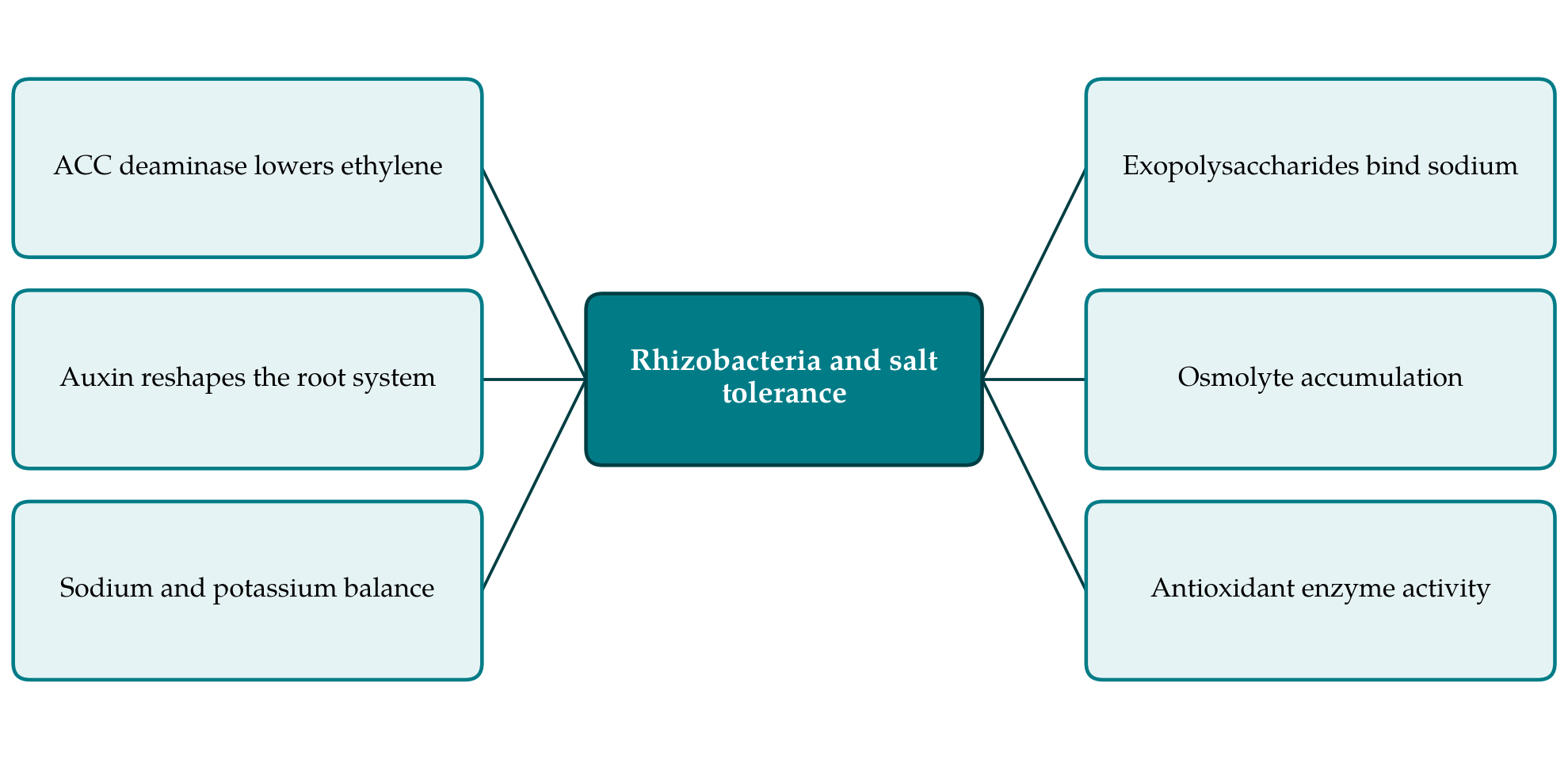
Figure 1 gathers the mechanisms most often proposed. They are not exclusive, and a single strain may show several in culture. The quality of the evidence differs a good deal from one to the next, and Table 1 sets them side by side.
| Mechanism | Bacterial trait | Expected effect in the seedling | Representative source |
|---|---|---|---|
| Lower stress ethylene | ACC deaminase | Root and shoot growth maintained under salt | Mayak et al., 2004; Glick, 2014 |
| Altered root architecture | Indole-3-acetic acid synthesis | More lateral roots and root hairs; better water uptake | Dodd and Pérez-Alfocea, 2012 |
| Ion homeostasis | Volatile signals affecting sodium transporters | Less sodium in shoots; higher potassium to sodium ratio | Zhang et al., 2008 |
| Sodium binding in the rhizosphere | Exopolysaccharide secretion | Reduced sodium uptake; better soil aggregation at the root | Ashraf et al., 2004 |
| Osmotic and oxidative protection | Not attributed to a single trait | More proline and soluble sugars; higher antioxidant enzyme activity | Egamberdieva et al., 2019 |
The
best-supported
mechanism
concerns
ethylene.
Plants
make
ethylene
from 1-aminocyclopropane-1-carboxylate (ACC), and some rhizobacteria possess the enzyme ACC deaminase, which cleaves ACC to ammonia and α-ketobutyrate. By taking up ACC exuded from roots, such bacteria are thought to lower the amount available for ethylene synthesis and so relieve the growth inhibition that stress ethylene imposes (Glick, 2014). The key tomato study is that of Mayak et al. (2004), who reported that seedlings inoculated with an ACC deaminase-producing Achromobacter strain accumulated more fresh and dry mass under sodium chloride than uninoculated seedlings and produced less ethylene, while their sodium content was not reduced. The bacteria, on this reading, change how the plant responds to salt and not how much salt it takes up.
Ion transport is the second area with mechanistic support, though not from tomato. Zhang et al. (2008) showed in Arabidopsis that volatile compounds from a Bacillus subtilis strain altered expression of the sodium transporter HKT1 in a tissue-specific way and lowered sodium accumulation in the plant, an effect lost in a mutant lacking the transporter. Exopolysaccharide-producing bacteria were reported to restrict sodium uptake in wheat seedlings, apparently by binding the cation in the sheath of soil around the root (Ashraf et al., 2004). Whether the same processes operate in tomato is plausible and largely untested by comparable genetic means.
The remaining mechanisms are supported mainly by association. Many strains make auxin, and inoculated seedlings often have more branched roots, but separating a hormonal effect from improved nutrition is difficult (Dodd and Pérez-Alfocea, 2012). Reports that inoculated plants contain more proline or show higher activity of antioxidant enzymes are common in the literature reviewed by Egamberdieva et al. (2019). Such changes may be a cause of better growth, or they may simply mark a plant that is less stressed for another reason.
4. Conditions Attached to the Claim
The statement that rhizobacteria improve salt tolerance in tomato seedlings is, taken as a summary of published pot and growth-chamber work, fair. Several qualifications belong with it. Most trials impose salinity with sodium chloride alone, whereas saline soils and waters contain mixtures of salts, often with high pH or sodicity. Seedlings are typically grown for a few weeks in a sterilised or soilless substrate, where an introduced strain meets little competition. A single cultivar and a single strain are the norm, so that interactions between plant genotype and bacterium, which are known to matter, go unexamined. Positive results are also more likely to be written up and published than null ones.
Carrying the effect into practice raises a further set of problems. An inoculant must survive formulation and storage, establish on the root in competition with the resident microflora, and persist long enough to matter, and salinity itself is a stress on the bacterium. Bashan et al. (2014) review how often promising strains fail at this stage for want of a suitable carrier and consistent quality. For tomato there is one practical advantage: the crop is raised in nurseries and transplanted, so seedlings can be inoculated in a controlled substrate before they meet field conditions. Whether a benefit established in the nursery lasts through to fruit yield under saline irrigation is the question that matters to growers, and it has been addressed far less often than seedling growth.
5. Conclusion
The published evidence supports the view that suitable rhizobacteria can reduce the growth penalty that salt imposes on tomato seedlings, and for ACC deaminase-producing strains there is a coherent account of why. The claim is conditional on strain, cultivar, salt composition and growing system, and it is a statement about seedlings in controlled conditions more than about crops in saline fields. Work that pairs defined bacterial mutants with realistic salinity, follows plants to harvest and reports colonisation alongside growth would show how much of the promise holds.
Conflict of interest
To be declared by the author(s) before publication.
Funding
To be declared by the author(s) before publication.